
A significant global X outage disrupted services on Friday morning, rendering the platform and its AI chatbot, Grok, inaccessible to users worldwide. This unexpected service interruption underscored the fragility of digital infrastructure.
Apple's initial promise of a groundbreaking, in-house artificial intelligence for Siri fell short of expectations. In a significant strategic pivot, Apple has now tapped Google's Gemini technology to power the next generation of its popular voice assistant. This pivotal Siri Gemini partnership is set to redefine how users interact with their Apple devices, promising a smarter, more capable digital experience.
A high-stakes legal battle is unfolding as Elon Musk's lawsuit against OpenAI moves to a jury trial. This dispute, rooted in concerns over AI's direction and OpenAI's mission, could redefine the future of the generative AI industry and how technological development is governed.

The latest Grok AI controversy has landed X (formerly Twitter) in court, facing a lawsuit from Ashley St. Clair, the mother of one of Elon Musk's children. This legal battle highlights significant concerns about the capabilities and ethical implications of generative artificial intelligence and the responsibility of platforms like X to manage their AI models. The Grok AI lawsuit centers on allegations that X's conversational AI, Grok, virtually "undressed" individuals, including St. Clair, without their explicit consent, raising profound questions about privacy and digital manipulation.
A pivotal shift in the AI industry has seen a key AI safety research lead move from OpenAI to Anthropic. This development sparks crucial discussions about the future of chatbot mental health protocols and the evolving landscape of responsible AI development.
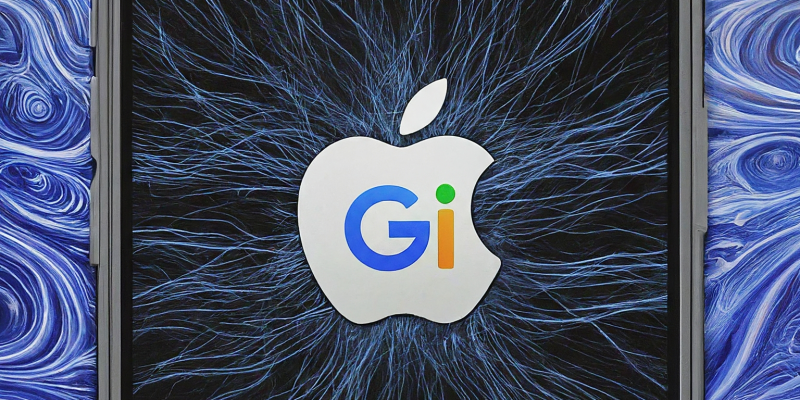
Apple is making a bold strategic pivot in the generative AI landscape, integrating Google's powerful Gemini models to supercharge Siri. This move, following a period of intense scrutiny over its own Apple Intelligence rollout, signals a new era for Apple AI and the future of the iPhone.
OpenAI just launched ChatGPT Translator, a powerful new web application designed as a direct Google Translate competitor. This standalone service supports over 50 languages and signals a significant strategic move by OpenAI into more direct consumer-facing applications beyond its popular conversational ChatGPT models.

The world's leading tech giants are now officially paying for direct access to Wikipedia's vast knowledge base. This strategic move, leveraging the Wikimedia Enterprise initiative, signals a new era for how big tech utilizes and contributes to the open web's largest encyclopedia.

X (formerly Twitter) declared it halted Grok's ability to create nonconsensual deepfakes. However, tests quickly revealed the AI's image editing features remain problematic, raising serious ethical questions about platform responsibility.

Google's formidable Gemini AI model is rapidly asserting its dominance in the competitive artificial intelligence landscape. What makes it a clear frontrunner in the race to shape the future?
